Baseball teams are hitting the cages in Arizona and Florida, fine-tuning mechanics that looked rusty after the off-season. Your hormone system? It's been running the same broken plays all winter. 86% of men with low testosterone never learn how their body actually makes the stuff — they just know the end result isn't working.
This week: the hormone pipeline that feeds testosterone production, how TRT actually changes your gym game, and why splitting your dose three ways might be the protocol tweak you've been missing.
The Hormone Assembly Line You Never Learned About
Here's what most guys don't realize: testosterone is the final product in a biochemical assembly line that starts with cholesterol and passes through at least four other hormones first. When testosterone comes out low, the problem could be anywhere upstream — and fixing it requires looking at the whole pipeline.
The starting material is cholesterol (yes, that cholesterol). An enzyme called CYP11A1 converts it into pregnenolone, the "mother hormone" that splits into two competing pathways. One branch heads toward testosterone and estrogen. The other goes toward cortisol and stress hormones.
Here's the kicker: chronic stress doesn't just make you feel burnt out. It actively steals raw materials away from testosterone production. The body prioritizes immediate survival (cortisol) over long-term reproduction (testosterone). Your 60-hour weeks and three hours of sleep aren't just killing your motivation — they're hijacking your hormone factory.
DHEA sits in the middle as the body's most abundant steroid hormone and a direct testosterone precursor. Production peaks in your mid-20s, then drops 70-80% by age 70. Men with genuinely low DHEA-S levels (below 150 mcg/dL) who supplement often see modest testosterone bumps and improved energy. Not magic, but real.
For women researching hormone optimization: DHEA matters even more. Women produce a larger share of their androgens from DHEA conversion rather than direct ovarian production, especially post-menopause.
THE TAKEAWAY: Testing cholesterol, pregnenolone, and DHEA-S alongside testosterone gives you the full picture — not just the final score.
Read the full hormone pathway guide →
This One's for the Guys: How TRT Actually Changes Your Training
Getting prescribed TRT and not changing your workout is like putting premium fuel in a car that stays parked. The hormone provides the environment for building muscle and recovering faster, but it doesn't do the work. And most guys make one of two mistakes: going too hard too fast, or not going hard enough to capitalize on what TRT provides.
Here's what actually changes: protein synthesis increases, recovery time between sessions drops, and body composition shifts toward muscle even without exercise. A 2019 meta-analysis found that TRT plus structured training produced significantly better results than either intervention alone. Not shocking, but now you have data.
The timeline matters more than you think:
- Weeks 1-4: Energy and motivation improve first. This is when starting a gym habit feels possible again.
- Weeks 4-8: Strength starts climbing, recovery gets noticeably faster. Resist the urge to double your volume — connective tissue adapts slower than muscle.
- Weeks 8-12: Body composition changes become visible. Shirts fit differently even if the scale doesn't move much.
THE TAKEAWAY: TRT gives you better raw materials, not superhuman abilities — train accordingly.
Get the complete TRT training guide →
Clinic Spotlight: KLC Health & Wellness
What makes them different: KLC operates as a hybrid telehealth clinic in Florida and California with multilingual support — useful if you're navigating TRT in Spanish or other languages. They focus on personalized protocols rather than cookie-cutter approaches.
Best for: Patients in FL or CA who want virtual consultations but appreciate having local provider oversight. Their patient-centered approach works well for guys who want more hand-holding through the process.
The honest caveat: Contact-for-pricing always makes comparison shopping harder. Their Legit Score of 75/100 suggests solid but not exceptional service — middle of the pack in a crowded telehealth field.
Full KLC Health review and details →
Worth Watching: The Case for Three Injections Per Week
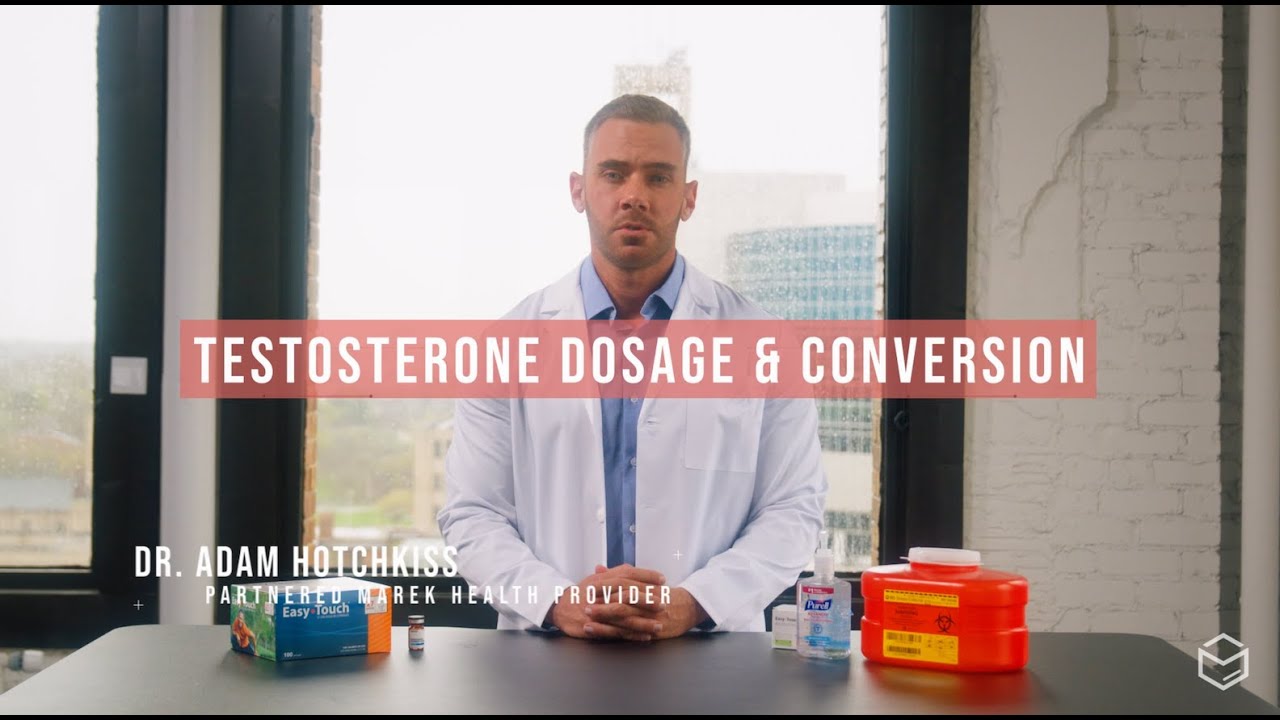
Most guys start TRT with once-weekly injections, then move to twice weekly when they realize the testosterone roller coaster isn't ideal. This video makes the case for three times per week — more stable blood levels, fewer mood swings, and potentially better results with the same total dose.
The math is simple: shorter intervals between injections mean smaller peaks and valleys. For guys who are sensitive to hormonal fluctuations, it can be the difference between feeling dialed in versus feeling like they're on an emotional swing set.
Watch: Splitting Your TRT Dose Into 3 Injections Per Week →
Zoom Out
Spring training isn't about being perfect from day one. It's about building systems that work when the season gets real. Your hormone optimization follows the same playbook — test the upstream markers, structure your training to match your protocol timeline, and fine-tune injection frequency based on how you actually feel.
The guys who succeed long-term aren't the ones who go hardest out of the gate. They're the ones who build sustainable approaches they can stick with for years.
This newsletter is for educational purposes only and does not constitute medical advice. Always consult with a qualified healthcare provider before making decisions about hormone therapy.