The tide is turning. After years of regulatory overcaution and medical hesitancy around testosterone therapy, evidence-based medicine is finally winning the day. The FDA is facing mounting pressure from leading experts to revise outdated labeling requirements, while new research continues to debunk the cardiovascular fears that have kept doctors on the sidelines.
This week: why the regulatory landscape might be shifting in patients' favor, what the latest blood pressure research actually shows, and which clinics are earning trust in the Reddit trenches.
FDA Under Pressure to Fix TRT Labeling
Leading urologists and endocrinologists are pushing back hard against the FDA's restrictive testosterone labeling—and they're armed with data. The current requirements, which mandate cardiovascular warnings and limit prescribing to "classical hypogonadism," have created what clinicians describe as a chilling effect on legitimate medical care.
Here's what you need to know: The 2015 cardiovascular warnings were based on limited, contested research. Multiple large-scale studies since then have failed to support those concerns. Meanwhile, the narrow definition of who qualifies for TRT excludes countless men with genuine symptoms who don't have a textbook disorder.
If the FDA responds to expert pressure, expect expanded prescribing criteria and modified risk warnings. This could mean more doctors willing to treat symptomatic low testosterone, even in men with age-related decline rather than pathological disorders.
THE TAKEAWAY: Regulatory change moves slowly, but the medical establishment is finally pushing back with real evidence.
Read the full regulatory breakdown →
The Blood Pressure Reality Check
Does TRT cause high blood pressure? It's complicated. New research shows the relationship isn't the straightforward "testosterone = higher BP" story that many assume.
The mechanism matters: Testosterone can affect blood pressure through vessel constriction, red blood cell production, and fluid retention. But your baseline health determines everything. Men with existing hypertension or metabolic issues face higher risks, while healthy individuals often see neutral or even beneficial effects.
The monitoring game-changer: Home blood pressure readings beat office visits for tracking real patterns. White coat syndrome skews clinical readings, but daily home monitoring at consistent times gives you actual data. Most experienced providers now recommend this approach during the first few months of treatment.
Smart dosing helps too. Lower, more frequent doses typically produce fewer cardiovascular effects than large, infrequent injections.
THE TAKEAWAY: Blood pressure effects are individual and manageable with proper monitoring—not a universal dealbreaker.
Get the full cardiovascular breakdown →
Reddit Reality Check: What's Actually Working
The Reddit TRT communities have been brutally honest about clinic experiences lately, and some clear patterns are emerging from the noise.
Price isn't everything. While some guys celebrate finding $200/month options, the horror stories come from clinics that cut corners on monitoring or customer service. The sweet spot seems to be $300-400/month for comprehensive care that includes medications, regular labs, and actual doctor access.
Communication beats convenience. Multiple users highlighted clinics that "don't play games" and allow transparent conversations about symptoms and adjustments. Cookie-cutter protocols are getting roasted, while providers who listen and adapt are earning loyalty.
Trustpilot ratings matter. Clinics consistently earning 4.8+ stars (like Fountain TRT, TRT Nation, and PeterMD) are showing up repeatedly in positive discussions. Users specifically mention on-time shipments, responsive customer service, and detailed blood work explanations.
The predatory clinic problem is real though. Several threads called out "glorified roid dispensaries" that push expensive protocols without proper evaluation. The red flags: minimal lab work, pressure to add multiple compounds immediately, and marketing focused purely on sexual performance.
Clinic Spotlight: Defy Medical
What makes them different: No monthly subscription model. You pay only for services and medications you actually use, which can be refreshing after dealing with clinics that push recurring charges.
Best for: People who want deep clinical rigor and don't mind paying more upfront for thorough evaluation. Their providers are known for comprehensive hormone panels and detailed treatment planning.
The honest caveat: Higher initial costs ($250+ consult, $150-250 labs) and longer wait times for appointments. This isn't the "quick script" option—it's for people who want the white-glove medical approach.
Coverage: All 50 states | Rating: 5.0/5.0
Worth Watching
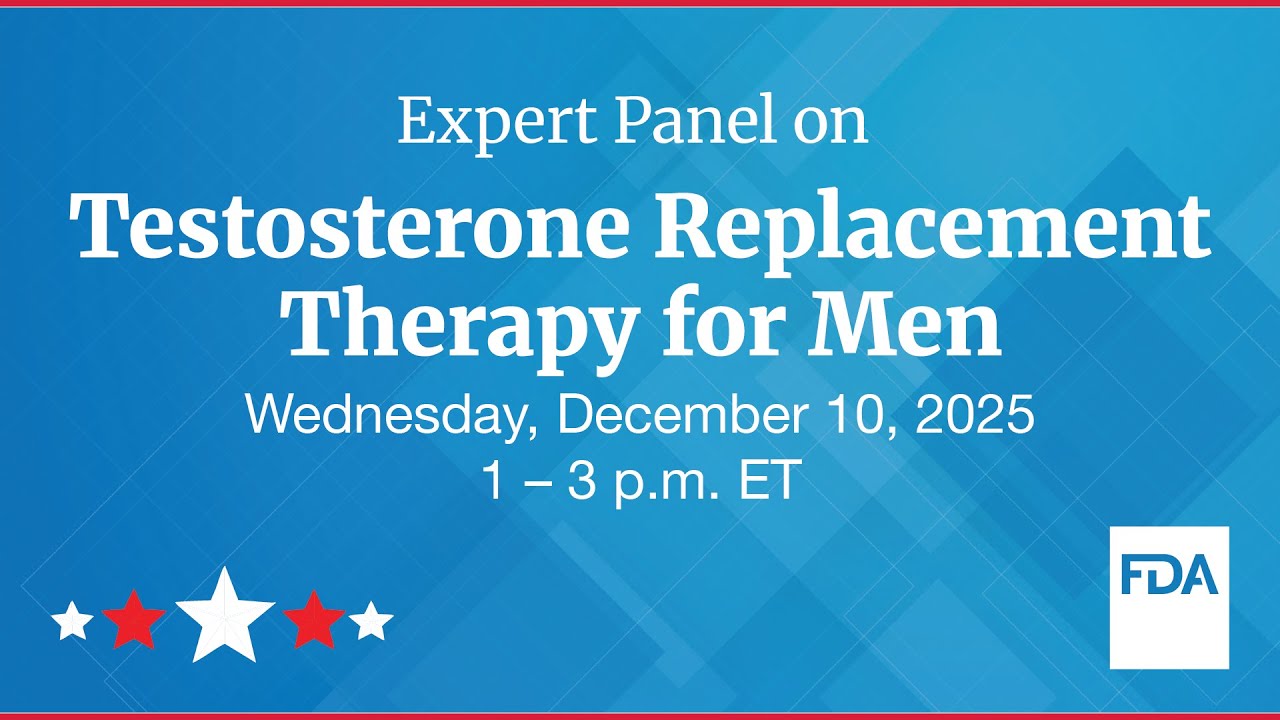
This live discussion dives into practical TRT monitoring strategies that actually work in real-world clinical practice. Key insight: Most patients over-test and under-optimize—the sweet spot is strategic lab timing based on your specific protocol, not cookie-cutter quarterly panels.
This newsletter is for educational purposes only and does not constitute medical advice. Always consult with a qualified healthcare provider before making treatment decisions.